OK, this is the one I want to go to - definitely on my bucket list.
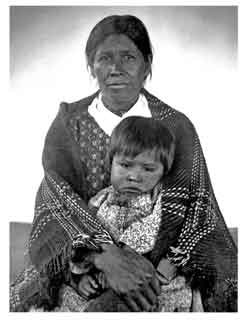
The ancient Smoky Mountains were inhabited by the Cherokee Indians long before the 1st American Homesteaders set up camp in 1795. The Cherokee called the mountains "Shacanage" which means "place of the blue smoke". The website says "there is a natural fog that often hangs over the range and presents as large smoke plumes from a distance.

In 1819 the Cherokee relinquished claim to the last of their lands in the smoky Mountains and at the end of the 1830s they moved to Oklahoma along the "Trail of Tears".
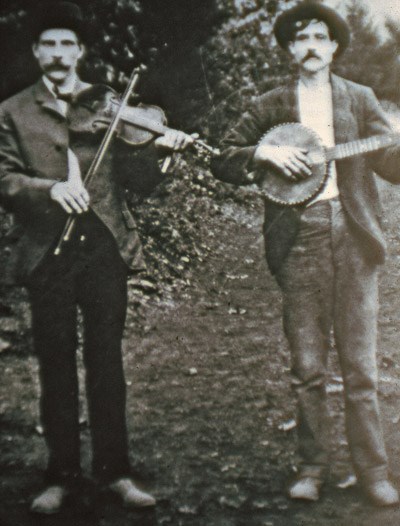
The homesteaders lived what is called a "southern appalachian mountain culture". One of the most popular spots in the park is "Cade's Cove". " The first Europeans settled in the cove sometime between 1818 and 1821. By 1830 the population of the area had already swelled to 271. Cades Cove offers the widest variety of historic buildings of any area in the national park. Scattered along the loop road are three churches, a working grist mill, barns, log houses, and many other faithfully restored eighteenth and nineteenth century structures.

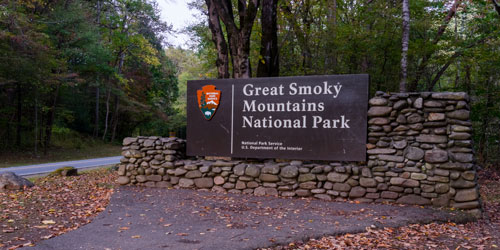

"Synchronous fireflies (Photinus carolinus) are one of at least 19 species of fireflies that live in Great Smoky Mountains National Park. They are the only species in America whose individuals can synchronize their flashing light patterns.
Their light patterns are part of their mating display. Each species of firefly has a characteristic flash pattern that helps its male and female individuals recognize each other. Most species produce a greenish-yellow light; one species has a bluish light. The males fly and flash and the usually stationary females respond with a flash. Peak flashing for synchronous fireflies in the park is normally within a two-week period in late May to mid-June."


No comments:
Post a Comment